Linux Server Management: A Complete Guide, Benefits, and Best Practices
Linux server management is a fundamental practice for ensuring security, performance, and stability on servers that host websites, corporate systems, web applications, […]
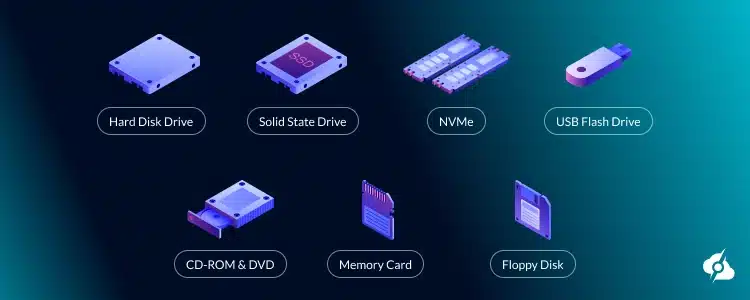
Secondary storage devices are essential for ensuring the security, persistence, and recovery of data on computers, servers, and corporate environments. They play […]
The choice between Intel Xeon vs AMD EPYC depends less on the “brand” and much more on the specific workload your server […]
Understanding security vulnerabilities is the first step in building a solid defense posture, whether you’re an average user or an IT professional. […]
Restoring a MySQL database from a backup file (usually .sql) using MySQL Workbench is a straightforward process. Here’s a detailed step-by-step guide […]
OVH Firewall configuration is an excellent additional security layer to your server’s internal firewall (such as iptables, ufw, or firewalld). It blocks […]
The “One-Click Login” (Single Sign-On) feature in DirectAdmin eliminates the need to manually enter database credentials. In addition to streamlining the administrator […]
Converting an addon domain into a main domain in WHM is a common procedure among server administrators who want to separate accounts, […]
Advantages and Disadvantages of KVM Hypervisor KVM (Kernel-based Virtual Machine) is an open-source virtualization solution integrated into the Linux kernel. By its […]
Introduction Creating custom OS templates in Virtualizor is essential for administrators who want to standardize virtual environments and streamline the provisioning process. […]